Finland has the land, clean power and cold climate to become Europe's data center capital, but the Google halt order shows it also needs leaders who can build at hyperscale speed without losing public trust.
Finland's regulator told Google to stop heavy site work at Muhos and Kajaani by 23 October 2026 and wait for full environmental impact assessments (EIAs), CNBC reported.
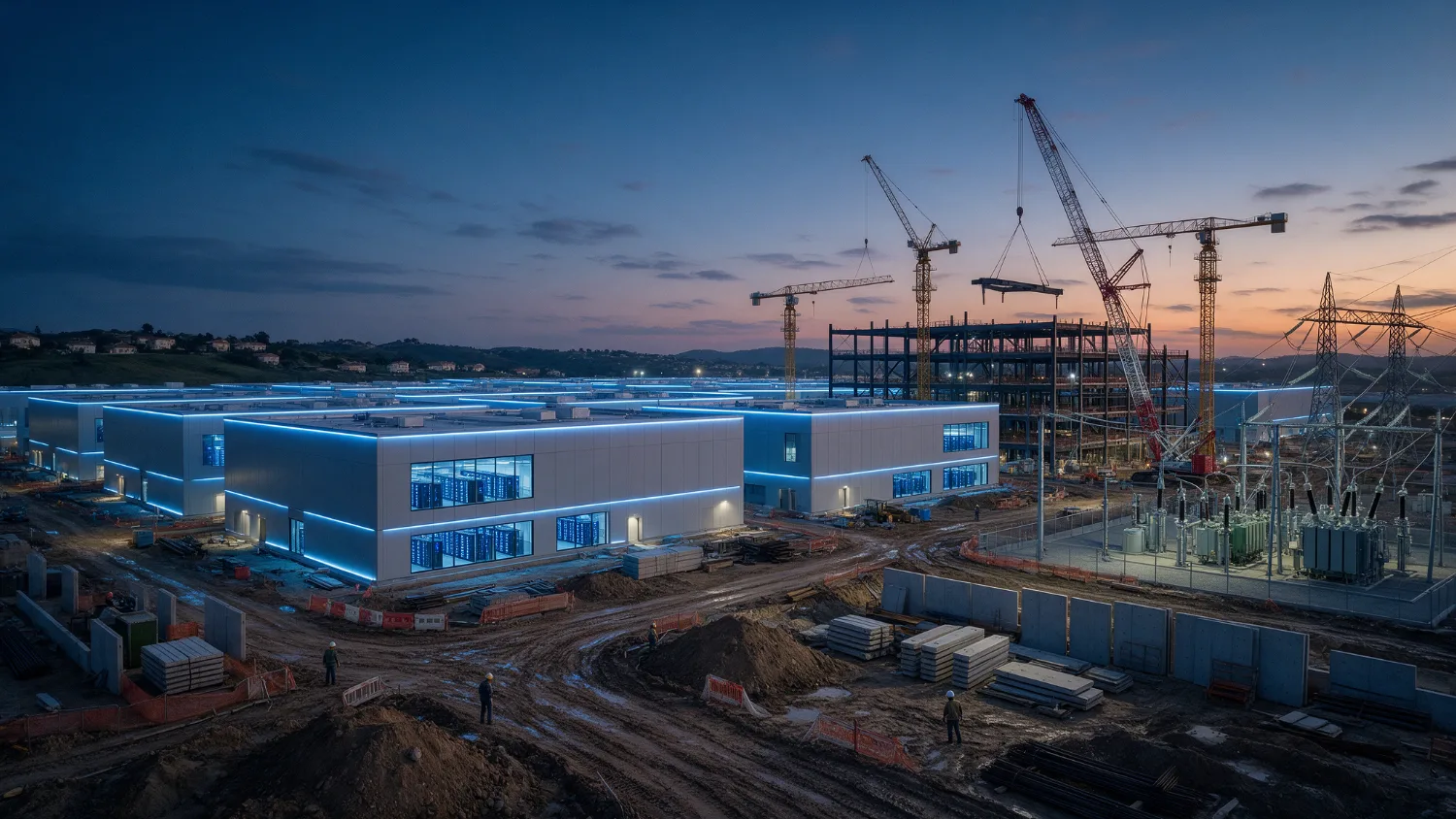
The notice went to Tuike Finland Oy, Google's Finnish subsidiary. It covers tree felling, topsoil removal, excavation, quarrying, crushing, moving soil, ditching and building roads and storage areas. Planning, measurements and soil surveys can continue.
Tommi Muilu, head of the LVV's environmental department, said the works "will change the environment and cause impacts" that an EIA exists to identify and assess.
Google said it had acted in good faith under Finland's Forestry Act, ran nature surveys and protected high-value areas. It also pointed to plans to plant trees across 130 hectares at Muhos. Still, the company conceded it had fallen short.
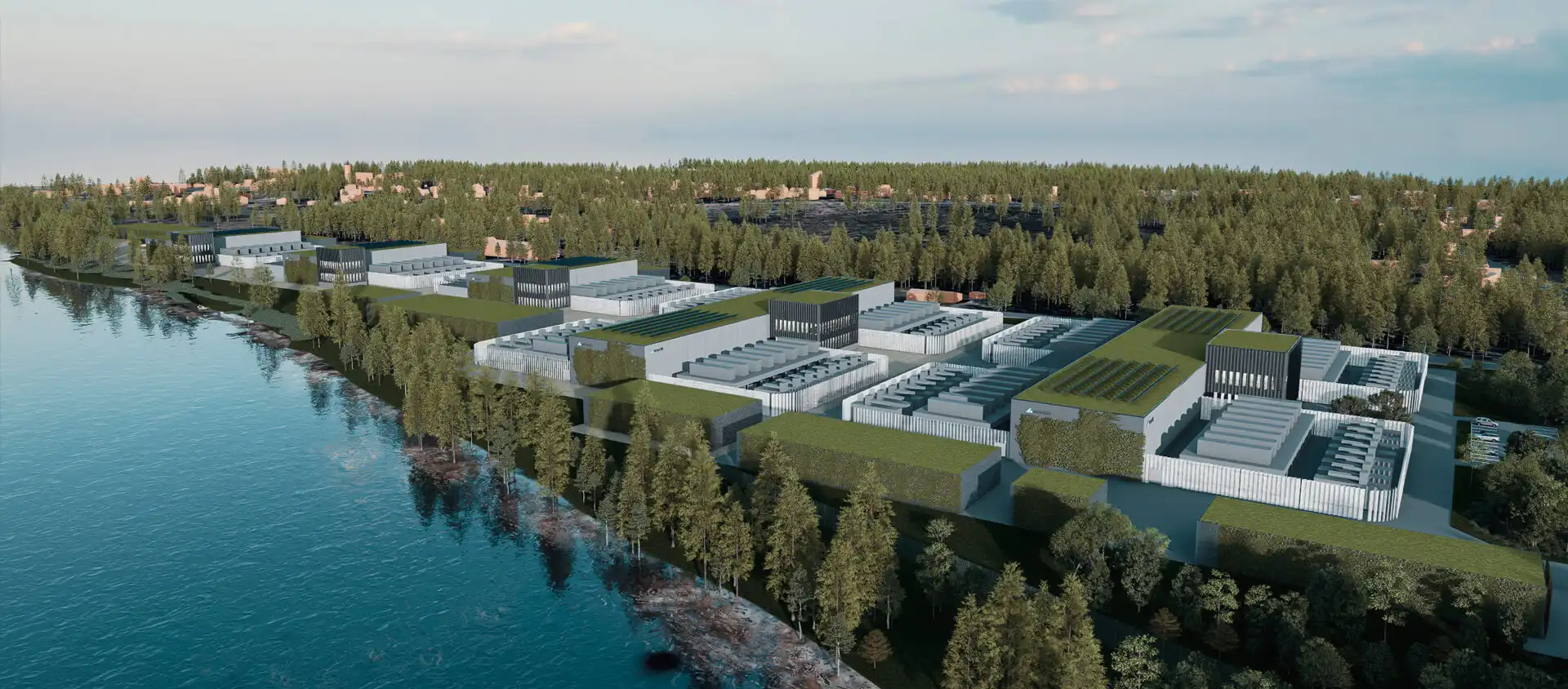
The timing matters. On 9 September 2026, Google announced €13 billion for sites in Hamina, Kajaani, Muhos and Vaala, backed by a 22-year nuclear power deal with Fortum, 629 MW of new wind and a 94 MW battery near Kajaani. Four weeks later, the flagship expansion hit a regulatory wall.
Finland is called the "Texas of Europe" because, like Texas in the US, it has the land and power AI data centers need, and both are scarce across most of Europe.
That success brings a new kind of pressure. Projects are bigger, faster and closer to forests, rivers and small towns than anything Finland has built before.
The Google halt was not caused by a shortage of land, megawatts or capital. It came from a gap between how fast a project moved and how well its leaders read the local rules and expectations.
That gap is a leadership problem. Engineering teams can design a 500 MW campus. It takes leaders to decide when to start clearing ground, how to sequence permits, and how to explain all of it to a municipality, a regulator and the people who live nearby.
Finland's wider skills picture makes this harder:
The countries that win the AI infrastructure race will be the ones with leaders who can manage all of these at once.
The common thread is judgement under pressure. The best data center leaders know when to slow down so the whole programme can go faster.
Finland's leaders should treat the Google halt as an early warning and act before the next wave of projects breaks ground.
The prize is large. Finland can host a big share of Europe's AI capacity, but only if its leaders are as ready as its power grid.
Finland's licensing and supervision agency (LVV) ruled that groundwork at Muhos and Kajaani, including tree felling and excavation, must wait until environmental impact assessments are complete. Google must stop by 23 October 2026.
Like Texas, Finland has the spare land and power that AI data centers need. Both are in short supply across most of Europe.
US$15 billion (€13 billion) through 2028, its largest investment in Europe. It covers data centers in Hamina, Kajaani, Muhos and Vaala, plus energy projects.
Regulatory fluency, community and stakeholder trust, environmental stewardship, energy strategy, workforce planning and 24/7 operational resilience.
Yes. Finland faces a skills mismatch: unemployment is around 10.5%, yet most employers struggle to find the right skills, and hyperscale construction experience is rare.